Nasal Congestion & Sinus Care
Serving patient in Huntsville and Madison, AL
Nasal Congestion & Sinus Care
Overview
Nasal congestion, facial pressure, sinus infections, and chronic nasal drainage can make it hard to sleep, exercise, or focus.
At Huntsville Ear, Nose, & Throat, we take a methodical approach to identify what is actually driving your symptoms—anatomic obstruction, inflammation, allergies, or chronic sinus disease—then tailor treatment to your goals. Many patients do well with in-office, minimally invasive options, while others benefit from targeted outpatient surgery.
At Huntsville Ear, Nose, & Throat, we take a methodical approach to identify what is actually driving your symptoms—anatomic obstruction, inflammation, allergies, or chronic sinus disease—then tailor treatment to your goals. Many patients do well with in-office, minimally invasive options, while others benefit from targeted outpatient surgery.
Common Symptoms
● Nasal obstruction or difficulty breathing through the nose
● Facial pressure, headaches, or “sinus” pain
● Recurrent sinus infections or symptoms that persist despite treatment
● Postnasal drainage, throat clearing, or chronic cough related to drainage
● Reduced sense of smell
● Headaches
● Fatigue due to difficulty sleeping
Diagnostic Evaluation
● Comprehensive ENT Evaluation: A detailed history and exam focused on nasal breathing, drainage, and sinus symptoms.
● In-Office Nasal Endoscopy: A small camera exam performed in the clinic to evaluate nasal anatomy, inflammation, drainage pathways, polyps, and other causes of obstruction.
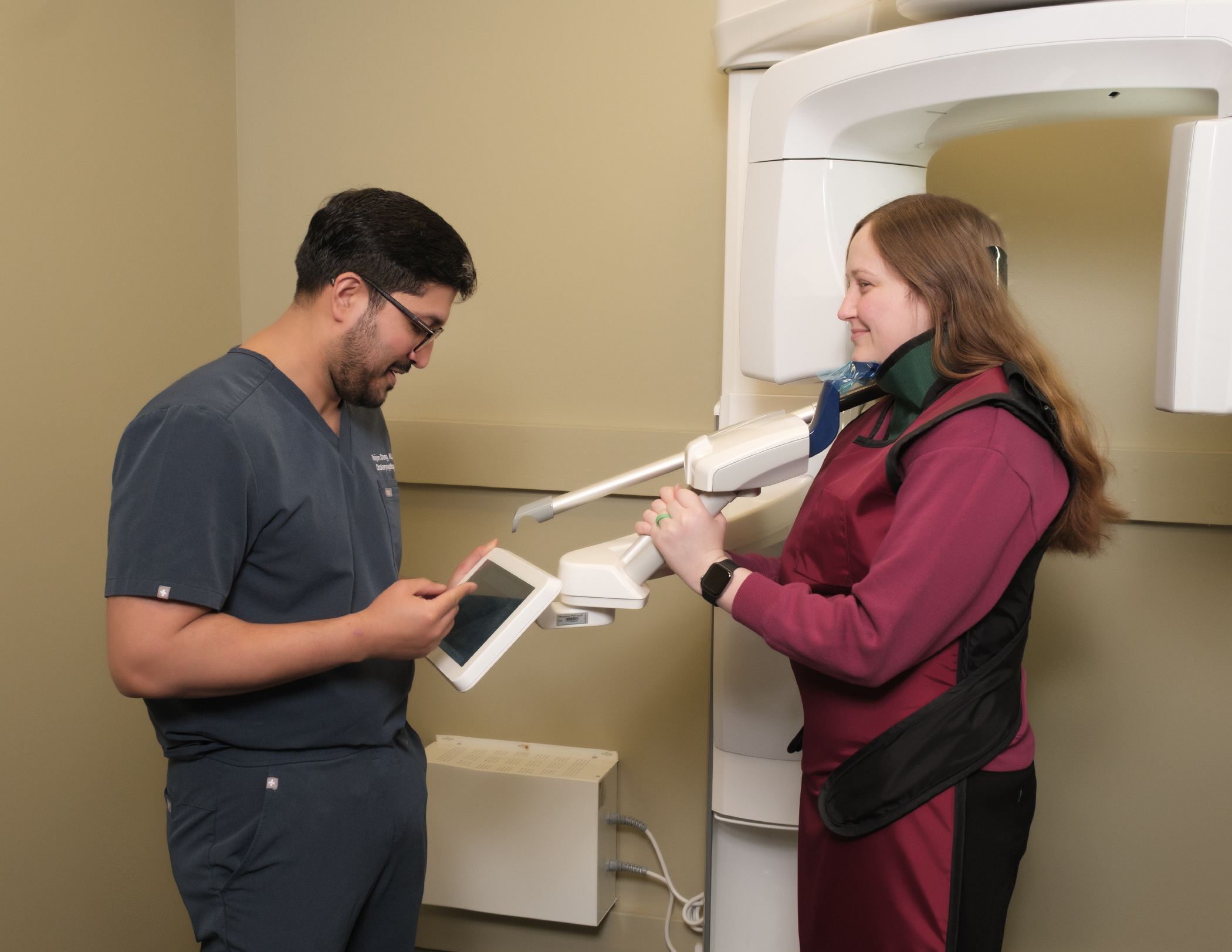
● CT scan of the Sinuses (in office): Imaging that maps sinus anatomy and identifies inflammation or blockage, helping guide the most effective treatment plan.
● Allergy Testing and Treatment: We provide allergy testing and partner with local allergists to treat the source of. your symptoms
Minimally Invasive and Surgical Treatments
Posterior Nasal Nerve Ablation
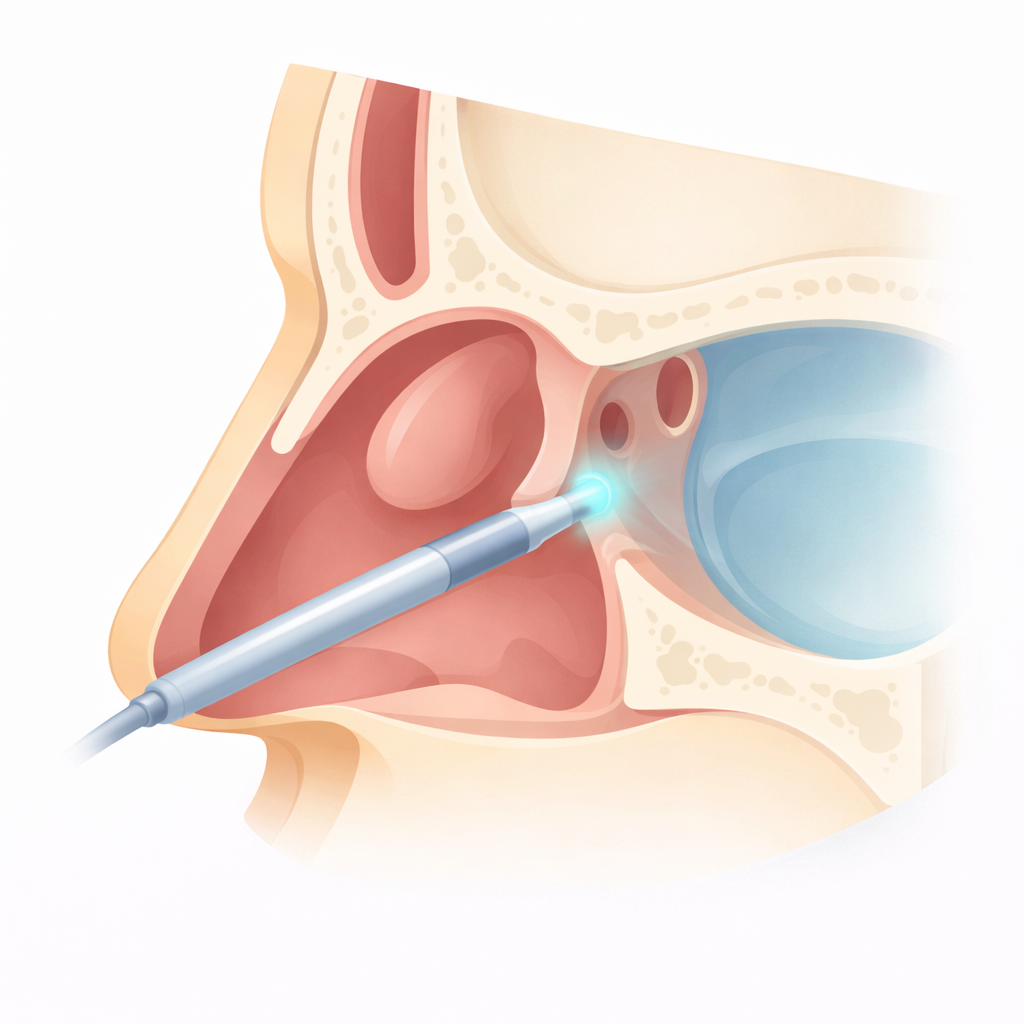
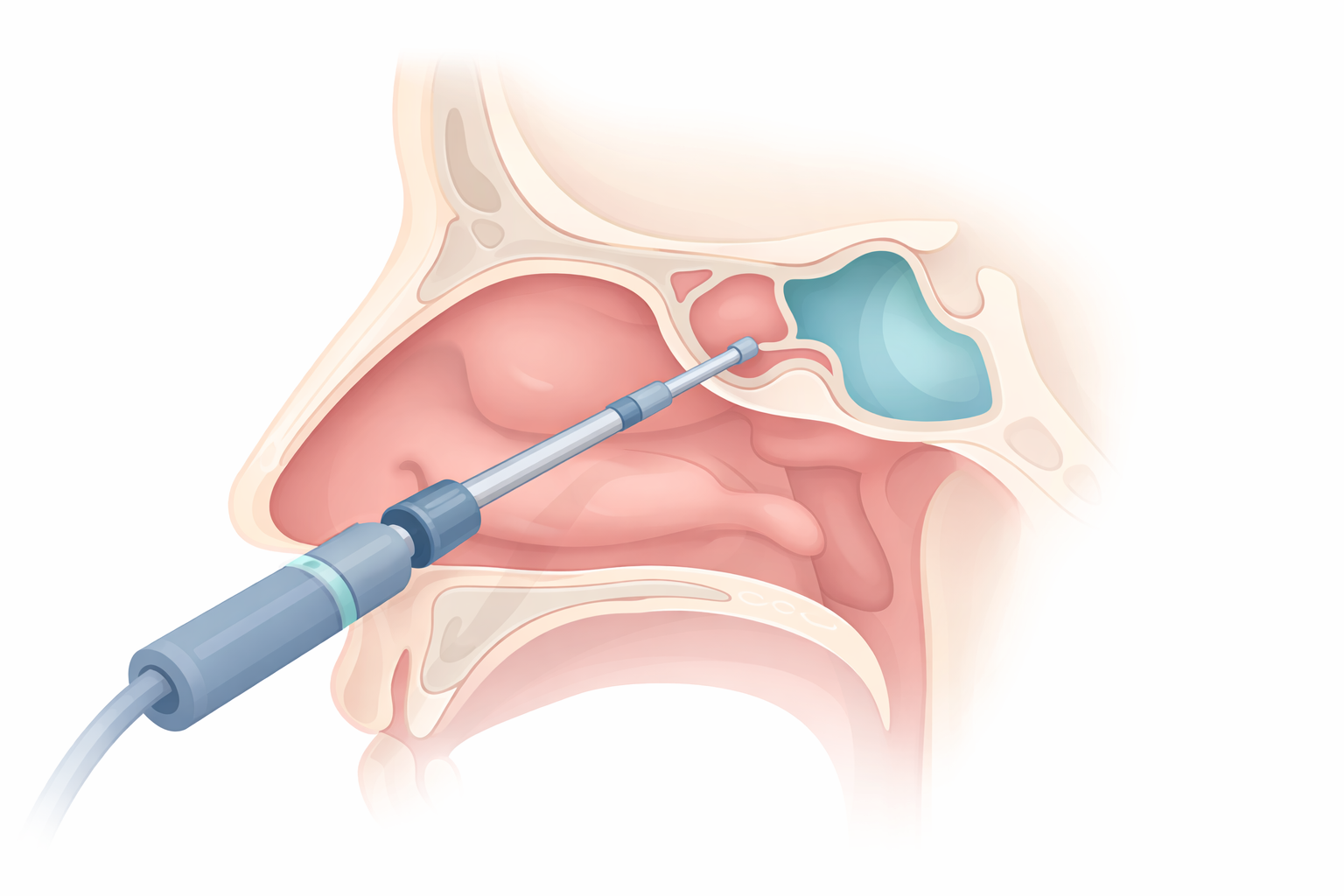
A minimally invasive in-office procedure that uses radiofrequency energy to reduce the nerve signals that contribute to chronic runny nose and post-nasal drainage. It can be particularly helpful when symptoms persist despite appropriate medical therapy, including chronic throat clearing and ongoing drainage.
The procedure is typically performed with local anesthesia in the clinic and is designed for a fast recovery with minimal downtime.
The procedure is typically performed with local anesthesia in the clinic and is designed for a fast recovery with minimal downtime.
Balloon Sinuplasty
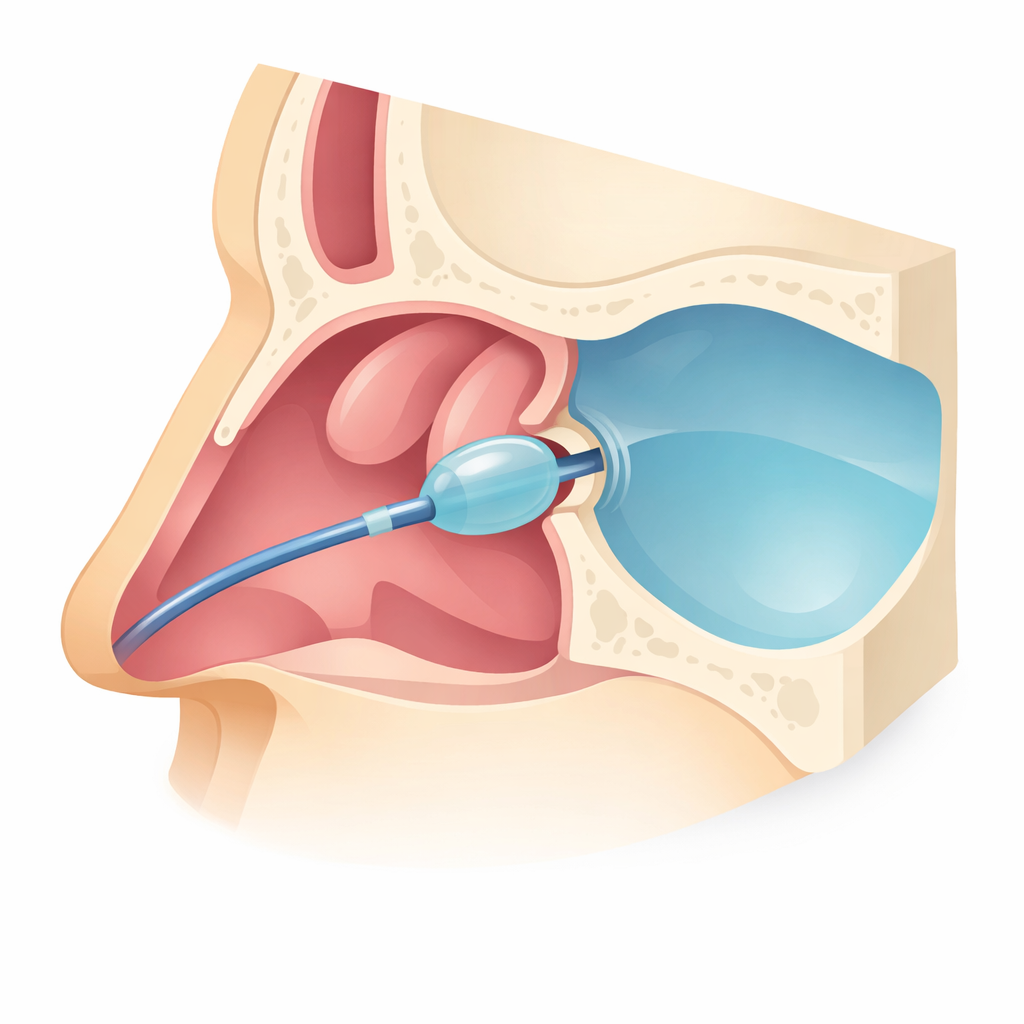
A minimally invasive treatment that gently dilates the natural openings of the sinus cavities to restore drainage and ventilation. Balloon sinuplasty is often performed under local anesthesia, commonly in the office, and can reduce sinus pressure and recurrent infections in appropriately selected patients.
Many people return to normal activity quickly while still achieving meaningful symptom improvement.
Nasal Valve Repair
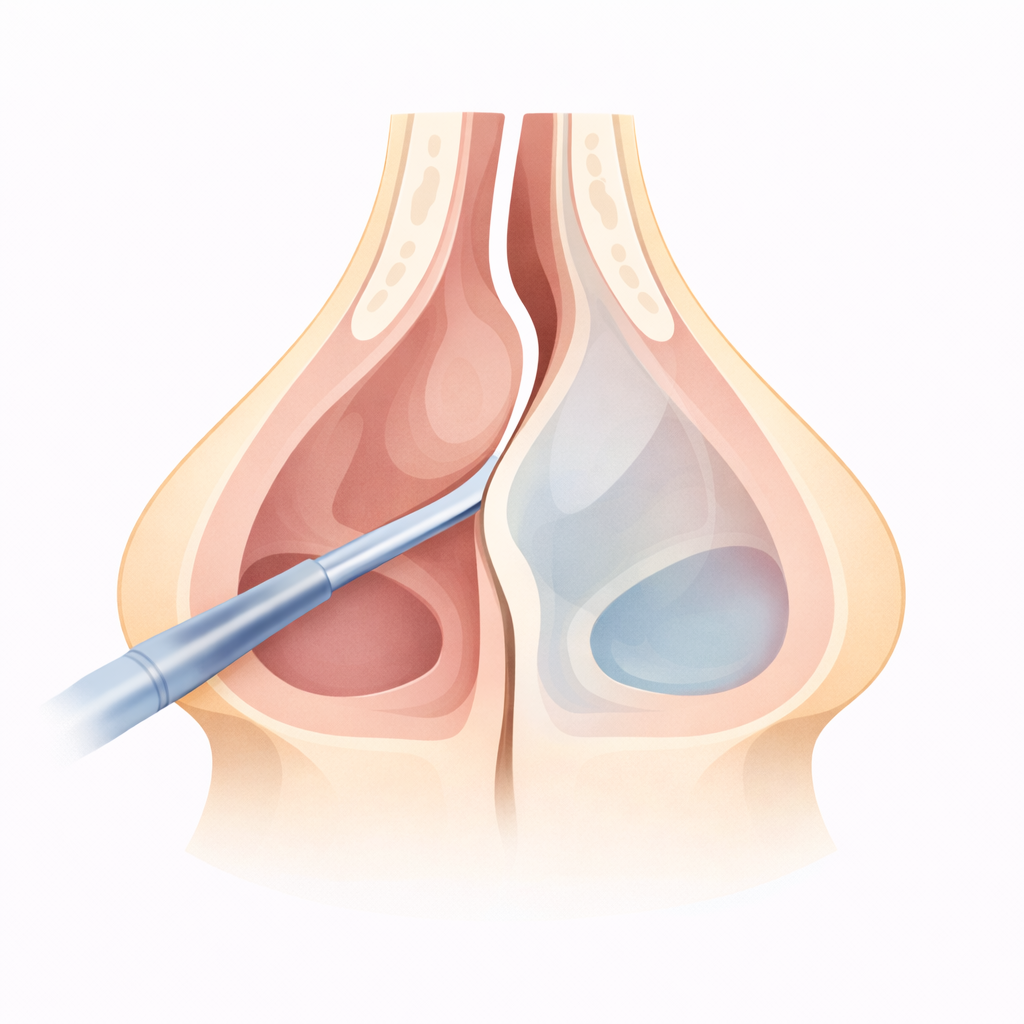
A minimally invasive treatment that uses controlled radiofrequency energy to remodel and support the nasal valve region—the narrowest part of the nasal airway. By improving structural support in this area, many patients notice better airflow and easier breathing.
This procedure is typically performed in the office with local anesthesia and does not require external incisions, supporting a smooth recovery.

Septoplasty
An outpatient surgical procedure performed in the operating room to correct a deviated septum—the cartilage and bone that divide the nasal passages. By straightening the septum, septoplasty opens the nasal airway and can significantly improve breathing.
The surgery is typically performed without external incisions, and recovery focuses on decreasing swelling and returning you to comfortable nasal airflow.
Nasal Turbinate Reduction
A procedure that reduces the size of enlarged turbinates—structures inside the nose that can contribute to chronic obstruction.
Turbinate reduction may be performed in the office or the operating room depending on anatomy and technique. The intent is to widen the nasal airway while preserving normal nasal function, helping patients breathe more freely with less long-term congestion.

Functional Endoscopic Sinus Surgery (FESS)
A precise outpatient surgery performed in the operating room that removes sinus blockages and opens the sinus drainage pathways using endoscopic instruments. FESS is commonly recommended for chronic sinusitis that persists despite appropriate medical therapy or for recurrent infections driven by structural obstruction.
Opening the sinus pathways helps improve drainage and can reduce the frequency and severity of future flare-ups.
Why Choose Huntsville Ear, Nose, & Throat for Nasal Congestion & Sinus Treatment?
Benefits of Choosing Our Clinic:
● In-office nasal endoscopy for detailed, targeted evaluation
● A full spectrum of in-office and outpatient options, matched to your diagnosis and anatomy
● Cutting Edge Diagnostics: Advanced in-office imaging and testing for accurate diagnoses
● Advanced surgical care for chronic sinusitis and more complex disease.
● A practical plan that prioritizes relief, safety, and durable results
Thank you! Your submission has been received!
Oops! Something went wrong while submitting the form.