Comprehensive Care for Lasting Relief
Nasal Congestion Treatment
Nasal congestion is a common condition that can make breathing difficult, disrupt sleep, and affect daily life. If you have persistent nasal blockage that does not improve with over-the-counter remedies, it may be time to seek professional care. Our board-certified ENT physician specializes in Nasal Congestion Treatment, offering expert diagnosis and personalized treatment plans to restore clear, comfortable breathing.
Nasal Congestion Overview
What Causes Nasal Congestion?
Nasal congestion occurs when the tissues inside the nose become swollen due to inflammation, infection, or structural abnormalities. While occasional congestion is normal, chronic or severe congestion may indicate an underlying condition requiring medical intervention.

Common Causes of Nasal Congestion:
● Allergies: Seasonal or environmental allergies can trigger nasal inflammation and congestion.
● Sinus Infections: Acute or chronic sinus infections can cause prolonged nasal blockage.
● Sinus pressure or facial pain
● Postnasal drip
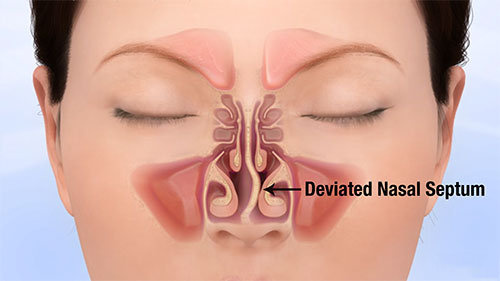
● Deviated Septum: A misaligned nasal septum can restrict airflow, leading to chronic congestion.
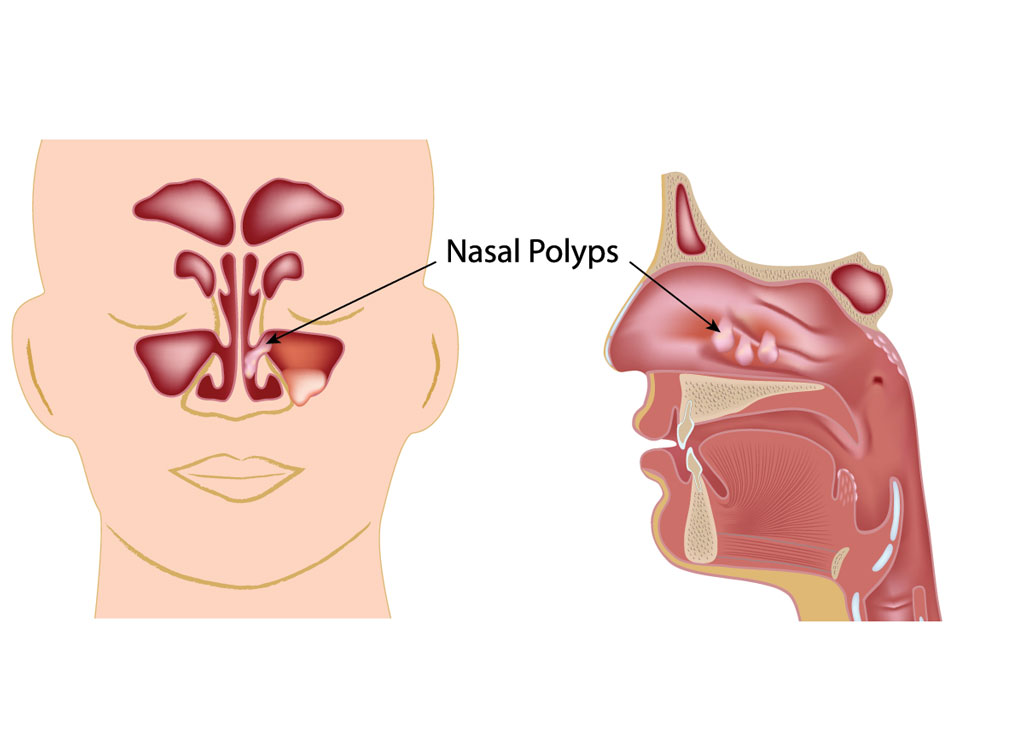
● Nasal Polyps: Non-cancerous growths in the nasal passages that obstruct airflow.
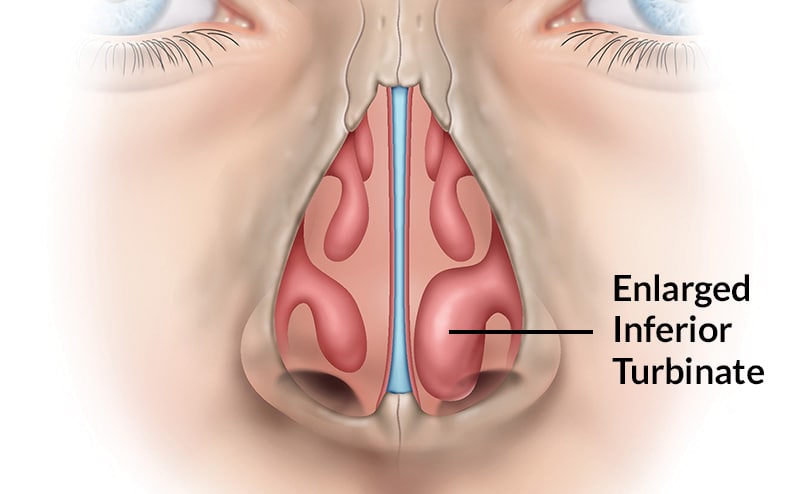
● Enlarged Turbinates: Swollen nasal structures that contribute to persistent blockage.
● Respiratory Illnesses: Colds, flu, and other viral infections can temporarily block nasal passages.
● Environmental Irritants: Smoke, pollution, and strong odors can trigger nasal inflammation.
Symptoms of Chronic Nasal Congestion
Chronic nasal congestion can affect your quality of life and lead to complications such as sinus infections and sleep disturbances. Symptoms may include:
● Persistent nasal blockage
● Difficulty breathing through the nose
● Sinus pressure or facial pain
● Postnasal drip
● Snoring or disrupted sleep
● Reduced sense of smell or taste
● Frequent headaches
Seeking Nasal Congestion Treatment can help relieve symptoms and prevent long-term complications.
When to Seek
Professional Treatment
If your symptoms persist despite over-the-counter medications and home remedies, it’s time to seek medical care. Our board-certified ENT physician offers expert evaluation and tailored treatment plans to address the root cause of your sinus problems.
Diagnosis and Evaluation
Our ENT specialist conducts a comprehensive evaluation to determine the cause of your nasal congestion. This may include:
● Nasal Endoscopy: A thin, flexible camera is used to examine the nasal passages and sinuses.
● CT Scan: Provides detailed imaging of sinus structures to detect blockages or abnormalities.
Accurate diagnosis is key to effective Nasal Congestion Treatment and long-term relief.
Minimally Invasive and Surgical Treatments
Balloon Sinuplasty
A minimally invasive procedure that gently opens sinus passages to restore normal drainage and function.

Turbinate Reduction
Reduces the size of enlarged turbinates to improve airflow.
Septoplasty
Corrects a deviated septum to allow for better nasal breathing.
Polyp Removal
Removes nasal polyps that obstruct airflow and contribute to chronic congestion.
Why Choose Our ENT Specialist for Chronic Sinusitis Treatment?
Our board-certified ENT physician provides expert Nasal Congestion Treatment using the latest medical advancements. We take a patient-centered approach, ensuring every treatment plan is customized for optimal results.
Benefits of Choosing Our Clinic:
● Experienced Care: Years of specialized ENT expertise in treating chronic sinus conditions.
● State-of-the-Art Diagnostics: Advanced imaging and testing for accurate diagnoses.
● Personalized Treatment Plans: Tailored solutions based on your symptoms and medical history.
● Minimally Invasive Options: Cutting-edge procedures that reduce recovery time.
● Comprehensive Support: Ongoing care to manage chronic sinusitis effectively.